In the ever-evolving world of streetwear, few brands have managed to achieve the cultural relevance and global reach of Trapstar. Emerging from the streets of London, Trapstar has transcended its underground roots to become a symbol of authenticity, rebellion, and youth culture. It’s more than just a fashion brand—it’s a movement that fuses music, art, and fashion into a powerful statement of identity.
Trapstar Origins in West London
Trapstar was founded in 2005 by childhood friends Mikey, Lee, and Will. The brand began as a guerrilla-style operation—selling T-shirts out of car trunks and running pop-up stores across London. The founders were inspired by the DIY spirit of punk, the raw energy of UK grime, and the narrative power of hip-hop. Trapstar stood for “taking risks and prospering,” which reflected the mindset of many young creatives in London’s inner-city neighborhoods.
The name “Trapstar” itself plays on the dual meanings of “trap”—as both a hustle mentality and a reference to the streets—and “star,” suggesting aspiration and influence. This fusion of grit and glamour quickly resonated with a generation that was seeking to redefine success on their own terms.
Trapstar The Aesthetic: Dark, Bold, and Iconic
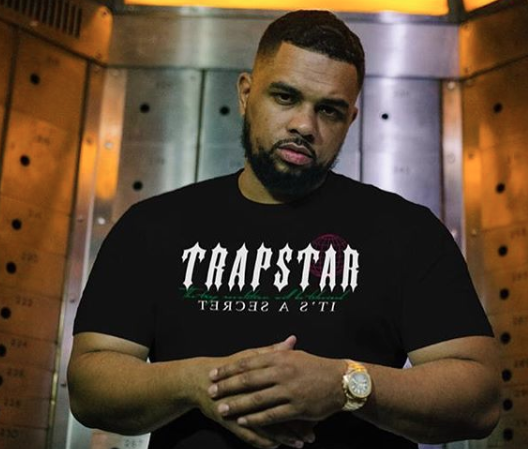
Trapstar’s visual identity is unmistakable. Its color palette often leans into blacks, reds, and greys, evoking a sense of mystery and rebellion. The brand’s iconic “It’s a Secret” slogan, which appears on many of its pieces, captures the enigmatic vibe that surrounds Trapstar. Fans often say that wearing Trapstar feels like being part of an exclusive club—a secret society that only the streets understand.
The brand is known for its heavy use of gothic fonts, militaristic silhouettes, and statement outerwear, particularly its puffer jackets, which have become a winter staple in UK streetwear. Over the years, Trapstar has managed to walk a fine line between luxury and street, keeping its aesthetic raw while refining its craftsmanship.
Cultural Impact and Celebrity Endorsements
Trapstar’s influence extends far beyond London. Its rise has been amplified by organic endorsements from some of the world’s biggest artists and athletes. Early on, figures like Rihanna and A$AP Rocky were spotted wearing Trapstar, catapulting the brand into the global spotlight. These co-signs helped solidify Trapstar’s reputation as a legitimate force in fashion—not just in the UK, but across the world.
What sets Trapstar apart from many other brands is its deep-rooted connection to the music scene. The brand grew alongside UK grime and drill, two genres that have shaped youth identity and politics in recent years. Artists like Stormzy, Skepta, Dave, and Headie One have all rocked Trapstar on and off the stage, making the brand a cultural mainstay within UK rap and beyond.
Jay-Z’s Roc Nation Involvement
A major turning point came in 2016 when Roc Nation, Jay-Z’s entertainment company, invested in Trapstar. This partnership gave the brand not only financial backing but also access to a global platform. With Roc Nation’s support, Trapstar expanded its operations, improved production quality, and widened its distribution network—all without losing its underground credibility.
The collaboration with Roc Nation also allowed Trapstar to work on more ambitious collaborations and capsule collections, merging UK streetwear aesthetics with American hip-hop influence.
Trapstar’s Role in Modern Streetwear
Today, Trapstar stands as one of the UK’s most successful streetwear brands. It has helped to shape a generation’s approach to style—fusing music, politics, and fashion into a unified voice. In a world where streetwear has become increasingly commercialized, Trapstar has managed to maintain its authenticity by staying close to the communities that birthed it.
While many brands have attempted to replicate its success, few have matched the organic growth and cultural depth that Trapstar commands. Its pieces are often released in limited drops, adding to the scarcity and desirability. Fans camp outside stores and refresh online shops the moment new collections go live.
Challenges and Controversies
No brand grows without facing challenges. As Trapstar London gained popularity, it also attracted criticism for its associations with gang culture and street violence—a common issue for streetwear brands tied to urban narratives. However, the founders have often spoken about the importance of giving young people an alternative path. Through fashion, Trapstar has opened doors for creatives, artists, and entrepreneurs who might otherwise have been left behind.
The brand also navigates the delicate balance between staying true to its roots while evolving with changing trends. In recent years, it has introduced more minimalistic pieces, experimented with new materials, and increased its international presence, particularly in Europe and North America.
The Future of Trapstar
As the fashion world continues to evolve, Trapstar shows no signs of slowing down. The brand’s ability to stay ahead of the curve, while honoring its core identity, is what will sustain its longevity. In an industry where hype often outweighs heritage, Trapstar’s story remains refreshingly grounded in real-life struggles and aspirations.
From humble beginnings in West London to collaborations with global icons, Trapstar represents more than clothing—it embodies the spirit of resistance, self-expression, and ambition. As long as there are streets, stories, and stars, Trapstar will remain at the heart of the conversation.